
Reading a Warranty Booklet Section by Section
A walkthrough of how warranty booklets are usually organized and where key details tend to appear.
Explore common warranty terms, coverage concepts, documentation, and the language found in automotive warranty materials. Warranty Lane makes warranty-related information easier to understand through straightforward educational guides.

Warranty Basics
A vehicle warranty is a written commitment describing which repairs or defects a manufacturer or other issuer agrees to address, for how long, and under what conditions. The document itself defines the scope.
Coverage describes the components, systems, or types of defects a warranty addresses. Two documents with similar names can describe very different coverage, so the listed items matter more than the title.
Most automotive warranties are limited by time, mileage, or both. A period stated as 3 years or 36,000 miles usually ends at whichever limit is reached first.
Limitations narrow what a warranty addresses. Common examples include wear items, damage from accidents or misuse, and conditions tied to required maintenance.
Similar names, different scopes. A quick orientation to the types readers see most.
View Warranty TypesIssued by the vehicle maker for new vehicles. It often includes a broader term for most components and a separate term for specific systems.
A warranty that covers only certain parts, defects, or conditions. The word limited signals that the document lists specific boundaries worth reading closely.
Typically addresses the parts that move the vehicle, such as the engine, transmission, and drive components. Exact parts vary by document.
Documents may also reference corrosion, emissions, or component-specific terms. Each has its own period and conditions described in the warranty booklet.
Most warranty booklets share a familiar structure. These are the parts worth reading closely.
The section that sets out obligations for both parties, including how to request service and what may affect coverage.
Lists of covered parts or systems. Reading these line by line helps clarify what a general heading actually includes.
Items or situations the document does not address. These are often grouped near the end and are easy to overlook.
Phrases like in-service date, whichever comes first, and transferable describe when coverage starts, ends, or changes hands.
Many warranties reference following a maintenance schedule. Keeping dated receipts and service records helps readers understand their own history when reviewing a document.
A walkthrough of how warranty booklets are usually organized and where key details tend to appear.
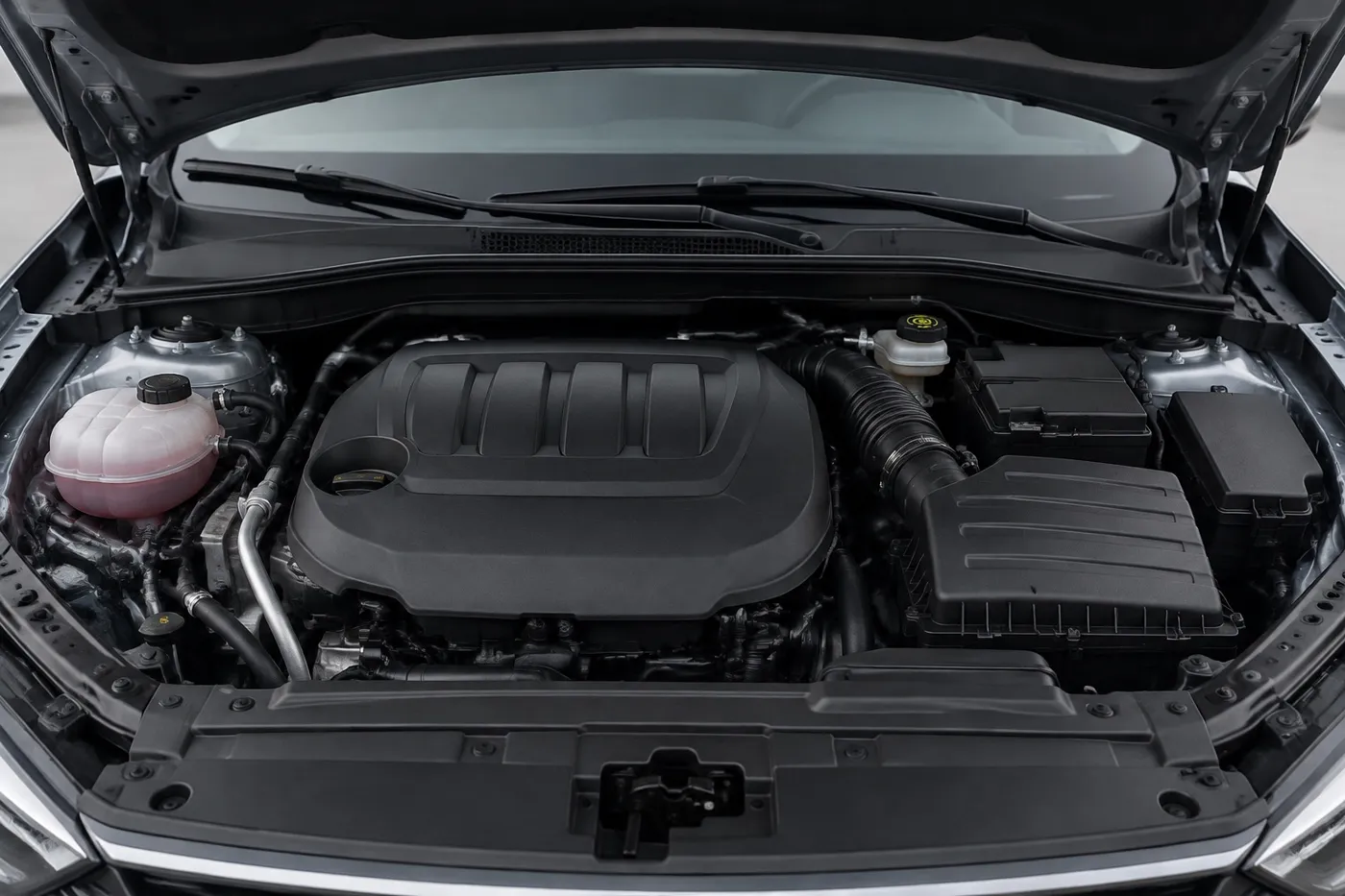
What engine, transmission, and drivetrain terms commonly refer to in warranty documents.

How dated service records relate to the maintenance language found in many warranties.
Organized explainers on warranty fundamentals and coverage concepts.
Short definitions for the terms most often found in warranty documents.
Step-by-step guides to the sections of a typical warranty booklet.
Focused articles on individual terms and how they are used.
General warranty literacy checklists and reference material.
Optional text messages with warranty terminology and document tips.
Optional text messages: informational text messages featuring automotive warranty terminology, vehicle warranty document guidance, general warranty literacy tips, and reminders about understanding common warranty provisions and documentation.